
Threshold Planning
Treat the doorway like a plaza, not a pinch point. Extend flooring heights, maintain level transitions, and leave at least ninety centimeters of clear passage for strollers and trays. Consider offsetting a bench or console to create pause without blocking flow, welcoming gatherings naturally.

Zoning Without Walls
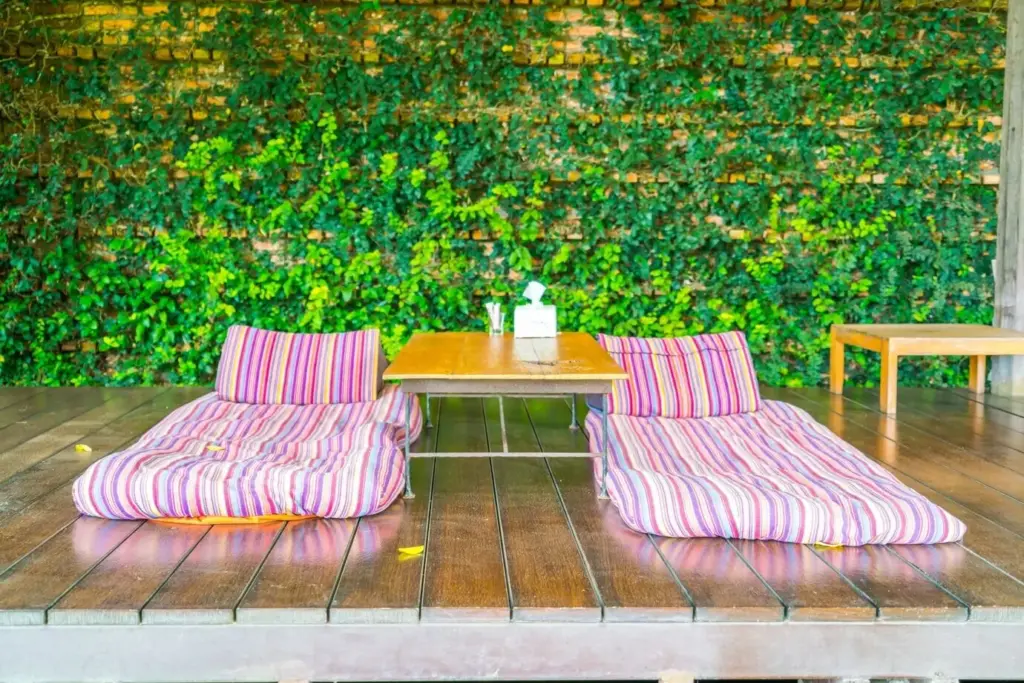
Define activity pockets with planters, outdoor rugs, and ceiling changes rather than partitions. A pendant grouping can mark dining, while a line of herbs guides movement to grills. Keep sightlines open from sink to garden gate, encouraging conversation and continuous hosting across rooms and patio.

Sightlines and Axes
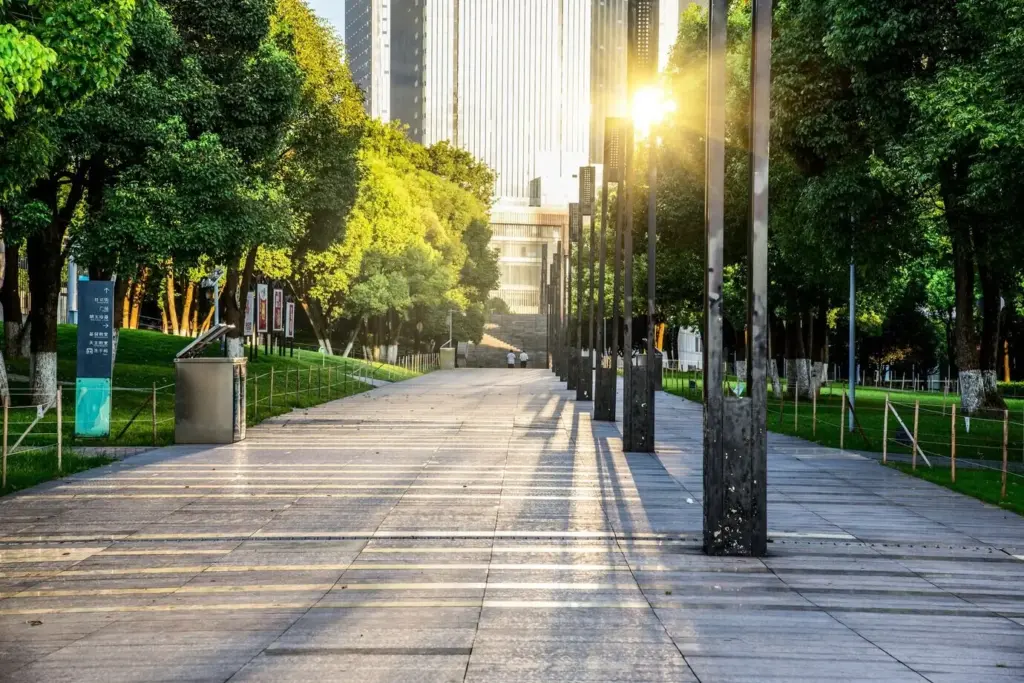
Borrow the oldest garden trick: a strong axis. Align a hallway with a sculptural pot or fire bowl beyond the glass. Use framed views to pull people outward, then return them smoothly through generous, uncluttered paths that feel safe underfoot day and night.